Introduction
What Is PPF and Why Does the Choice of Brand Matter?
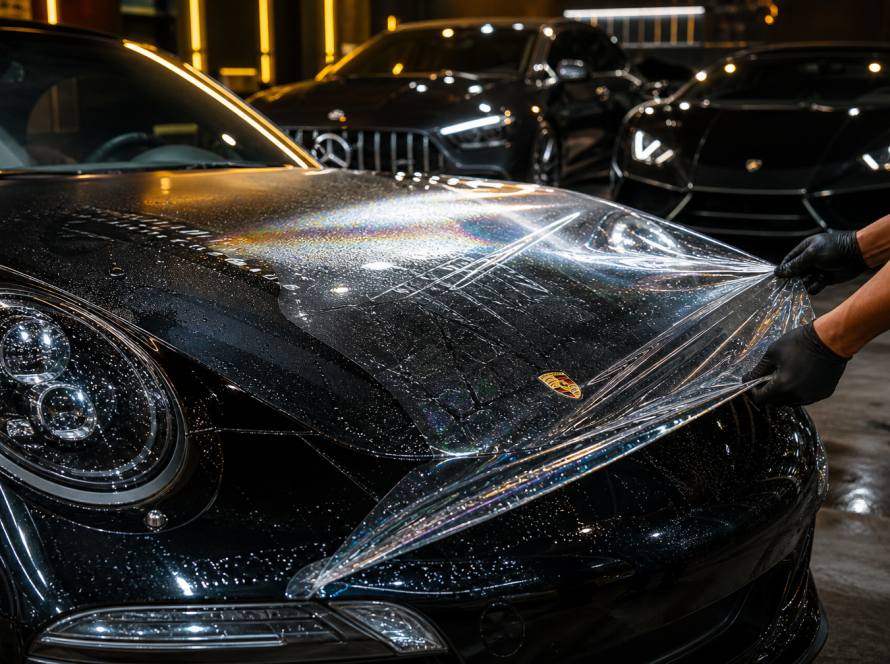
PPF (Paint Protection Film) is a thermoplastic polyurethane film applied to a vehicle’s paint to protect it from scratches, stone chips, insect stains, tree sap, and everyday wear and tear. The film absorbs impact, and in premium versions, it self-heals when exposed to heat, restoring the surface to its original condition.
For the end customer, PPF is the product with the highest perceived value in an auto detailing shop. For the professional installer, it is also the riskiest: a poor-quality product compromises the service’s reputation, leads to rework, and calls into question the warranty promised to the customer.
The choice of brand, therefore, goes beyond the price per meter. It determines the quality of the product, the legal certainty of the warranty, and the support you’ll receive when a technical question or installation problem arises.
Material: TPU or PVC?
The first quality control factor is the base material.
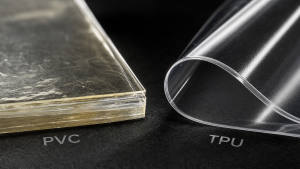
PVC PPFis cheaper, stiffer, and has a significantly shorter lifespan. It yellows more easily, has low flexibility at the edges, and does not offer true self-healing properties. It is the entry-level material on the market and is used by brands that compete solely on price.
TPU(Thermoplastic Polyurethane) PPFis the professional standard. Itis more flexible, offers greater resistance to yellowing, conforms better to complex curves, and is compatible with topcoats. TPU is the material used in all premium PPF products currently on the market.
Before signing a contract with any supplier, ask directly:“Is the film 100% TPU?”If the answer is evasive or mentions a “hybrid base,” proceed with caution.
Thickness: the number that defines actual protection
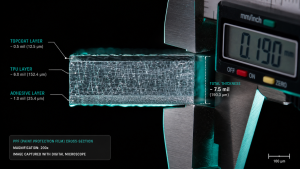
The thickness of PPF is measured inmicrons (µm)and indicates the amount of material that absorbs impact. The professional market uses films with a total thickness rangingfrom 150 µm to 210 µm, including the TPU layer, the topcoat, and the adhesive.
Films thinner than 150 µm offer reduced protection against stone chips and have a shorter lifespan. Films thicker than 200 µm provide superior protection but require greater skill to install on sharp curves.
The PPF/TPU typically ranges from ~150 to 200 microns, with the topcoat being a key technical factor in the finish’s durability.
What to check:
Total thickness specified by the manufacturer (in microns)
Thickness of the TPU layer separated from the adhesive
Quality and hardness of the topcoat (which protects the PPF itself from surface scratches)
Self-regeneration: A distinguishing feature or a minimum standard?
Self-healing. The film’s ability to eliminate micro-scratches using heat (sunlight or a hair dryer). This is no longer a feature exclusive to premium brands. Today, it is the minimum standard expected of any professional PPF.
What varies from brand to brand isthe speed and efficiency ofregeneration: lower-quality films take longer to regenerate, require higher temperatures, and, over time, gradually lose their effectiveness.
Ask the supplier:
How many seconds does it take for the film to repair a minor scratch at 40°C?
For how many years is the regenerative capacity guaranteed?
Is there a technical report or test video available?

Optical clarity and finish
A good PPF should beinvisible. Optical clarity determines whether the film will alter the perception of color, depth, and gloss of the original paint.
Low-quality films can cause a slight yellowish tint, cloudiness, or an orange-peel texture that is visible under certain lighting conditions. For luxury or modified car owners—who are the customers most likely to invest in PPF—this is unacceptable.
What to test before buying:
Request a sample and apply it to a black or dark-colored metal surface (where any cloudiness is evident)
Observe under direct light and oblique light
Check for uneven surface texture
Warranty: What's in the Contract
The PPF warranty is the most powerful selling point for the end customer. And it’s the biggest risk for the installer if it isn’t properly backed up.
Key difference:
Warranty (product warranty):issued by the manufacturer or importer for the product itself. It covers manufacturing defects, yellowing, and peeling.
Guarantee (performance guarantee):the installer’s promise regarding the service. Quality of installation, no bubbles, and no lifted edges.
When choosing a brand, check the following:
Does the warranty cover thematerialsor just theinstallation service?
How many years is the term?
What conditions void the warranty (harsh chemicals, steam cleaning, etc.)?
Does the manufacturer/importer have a representative in Brazil to honor the warranty?
A 10-year manufacturer's warranty, with direct support in Brazil, is the industry's benchmark for quality.

Technical Support and Training
Installing PPF is a technical skill that requires practice and specialized knowledge. The brand you choose should offer more than just the product; it should also providetraining.
Rate:
Does the supplier offer installation training?
Is technical support available by phone or WhatsApp for questions during the application?
Is there any reference material (videos, manuals, technical data sheets) available?
Does the supplier organize meetings, events, or a community for installers?
This makes a practical difference in everyday life: when you face a difficult situation on a complex curve or during a warranty inspection, having direct support from the importer is worth more than any discount per meter.
Availability and Logistics in Brazil
Importing high-quality PPF without a local distribution network is a problem. Without a regular supply in Brazil, you’re at the mercy of import lead times that can disrupt your workflow.
Check:
Is this product always in stock in Brazil?
What is the delivery time for your region?
Does the importer have a Brazilian CNPJ and issue invoices?
Are there authorized dealers in your city or state?
Working with an exclusive importer that has a local presence ensures a predictable supply. This is essential for those with a busy schedule who cannot afford to delay an installation due to a lack of materials.
Why is Nevada PPF the right choice for your auto detailing business?
Nevada Protection Filmsmeets all of the above criteria in a single product. And it goes even further.
Material and thickness:100% TPU PPF, with a thickness in the premium range for the market, a high-hardness topcoat, and efficient self-healing properties.
Finish:optical clarity that preserves the original color and depth of the paint, available inGloss(high-gloss) andSatin(satin) finishes to meet the needs of different customer profiles.
Product warranty:10-year product warranty, with an exclusive importer in Brazil. Nevada Protection Films provides direct technical support, maintains local inventory, and has a team available to answer installation questions.
Support and community:Nevada invests in installer training, offering in-person training sessions, technical materials, and a growing network of certified professionals throughout Brazil.
Logistics:Product available in Brazil with fast delivery, an official invoice, and all the security of a well-organized operation.
For those who work with demanding clients and want to establish a reputation for excellence in automotive detailing, Nevada PPF is the brand that lives up to that promise—both in the products it delivers and in its commercial and technical support.
Check out the complete product line atbynevada.comand contact us to become a partner installer.
Conclusion
Buying PPF for your auto detailing business isn't just a decision based on price per meter. It's a strategic decision that impacts the quality of your service, customer satisfaction, the strength of the warranty you offer, and your business's reputation.
The seven criteria in this guide—material, thickness, self-regeneration, optical clarity, warranty, technical support, and logistics—are the minimum checklist to review before making any purchase. A brand that doesn’t meet these criteria will end up costing more than any initial savings per square meter.
The Nevada PPF passes all of them.