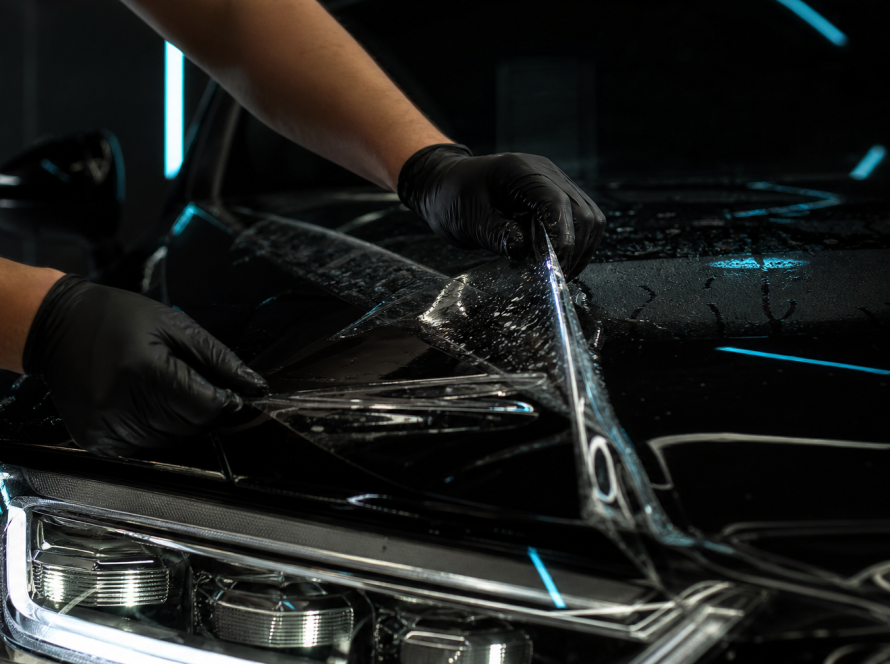
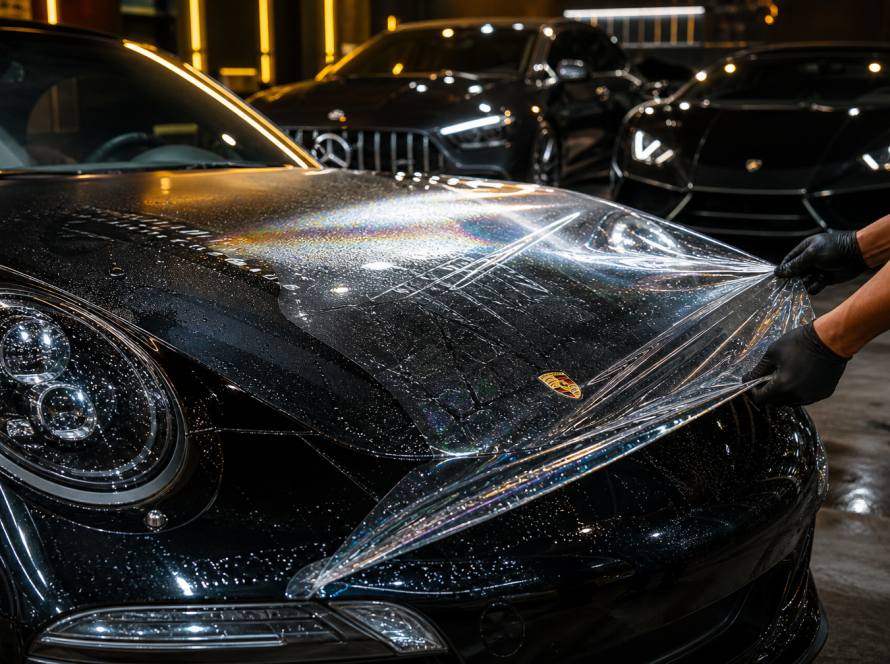
Yes: For most new mid- to high-end cars, PPF is worth it if the goal is to preserve the original paint and resale value.The best time to apply it is right after delivery, while the paint is still intact and there are no prior repair costs. High-quality TPU film forms a physical barrier against stone chips, micro-scratches, insects, and stains; coatings and glazing help with shine and water repellency, but they do not replace this mechanical protection. In Brazil, the investment typically ranges in the tens of thousands of reais for full coverage, according to market reports, so the decision depends on the car’s value, daily use, and the quality of the materials and workmanship.
What is PPF?
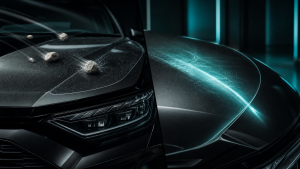
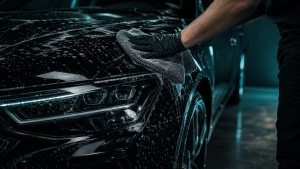
PPF (Paint Protection Film) is a transparent paint protection film. In Portuguese, it is referred to as “paint protection film”: a film, usually made of thermoplastic polyurethane (TPU), applied to the car’s body and, in many cases, to the headlights and taillights.
According toCanaltech, PPF acts as a barrier against insect residue, minor scratches, small stones, and hail, and—depending on the quality of the material—also provides protection against UV rays. The technology originated in military and aerospace applications and became established in the premium automotive sector before making its way into more mainstream models.
Quatro Rodasdescribes PPF as a “second skin” that preserves the original paint and headlights, with a regenerative effect on micro-scratches depending on the depth of the damage and the type of film (heat-activated self-healing or more immediate regeneration in premium lines).
Why is now the best time to buy a new car?
Applying PPF to a new car maximizes the return on investment for four practical reasons:
Paintwork Still IntactYou protect the factory-applied clear coat before the first stone chip on the road, the first scrape in the parking lot, or the first sap stain.
Less preparation (and lower cost). With used cars, polishing or surface correction is almost always required before applying the film. With a brand-new car, the surface is already clean and uniform, which reduces time spent in the shop and the risk of “hiding” defects under the film.
Adhesion and Finish: A new surface promotes transparency, uniform gloss, and cleaner edges when installed by a skilled installer.
Resale Value and Originality: Professionals emphasize that repainting a premium car compromises its originality and reduces its value. Properly applied PPF preserves the factory paint for years.
We recommend applying it right after purchase, before any damage occurs, noting that it involves lower preparation costs and provides a superior finish on a new surface. The logic is simple: even the first kilometer exposes the car to stone chips and friction; the film acts as preventive protection, not as a fix-up.
What the PPF Protects (and What It Does Not Protect)
Provides good protection
Minor impacts and stone chips on the hood, bumper, fenders, and mirrors
Micro-scratches caused by washing and everyday friction (with thermal regeneration in high-quality TPU lines)
Insect stains, bird droppings, and tree sap (makes cleaning easier and reduces chemical damage to the varnish)
UV degradation and loss of gloss, depending on the film and maintenance
The PPF's key strength: excellent mechanical protection in high-impact areas, with a lifespan of several years and options for a glossy or matte/satin finish, as well as self-healing properties in most films.
It's not impenetrable armor
Severe collisions and deep gouges that cut through the film
Poor installation (bubbles, raised edges, excess adhesive, rough cut through the varnish)
Inexpensive material that yellows, cracks, or loses its clarity
Negligence in washing and post-curing
Maintenance alert: The film requires careful handling; using the wrong products or aggressive car wash brushes can damage the film.
PPF vs. ceramic coating vs. wax
Many dealerships offer “paint protection” when you buy a brand-new car. Not all of it is PPF.
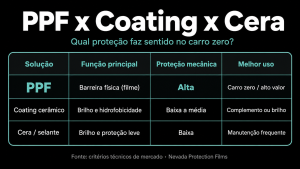
Rule of thumb for new cars:
Wantprotection against hail and physical damage? → PPF (partial or full).
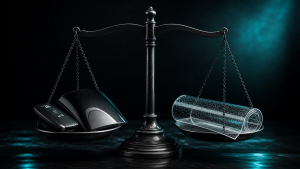
Wantshine, water beading, and easy cleaning? → Coating (on its own or over PPF).
These two are often used together in premium projects: the film provides protection; the coating protects the surface of the film or any exposed areas.
Partial or full-body coverage
You don't need to cover the entire car on the first day.
Front / impact areas (best value for money)
Hood, front bumper, fenders, mirrors, and—in many designs—headlights and door sills. Focus your budget on the areas where hail and friction really take their toll.
Full body
Complete body. Makes sense in:
High-value or collectible vehicles
Dark and metallic colors, where scratches and swirl marks are more noticeable
People who drive a lot on highways or park in tight parking spaces
Those who prioritize resale with 100% factory paint
How much does it cost, and what's included in the price?
In Brazil, the price is based on the numberof meters of film + labor + infrastructure, not the model’s “status” alone.Quatro Rodasreported, in a landmark industry article, that the average total cost is aroundR$ 20,000, with prices starting at aroundR$ 15,000 at some stores, and charges are typically per meter(about a15-meterroll for a full car). The Canaltech cites a range ofR$20,000 to R$30,000depending on the quality of the material.
These figures vary depending on inflation, the movie's release year, region, and the complexity of the vehicle's body. Use them as a rough guide, not as a fixed price list for 2026.
What a serious budget should make clear
Film brand and series (TPU, gloss/satin/black finish, etc.)
Covered Areas (Parts List)
Installation and curing time
Manufacturer's warrantyandwhat the store covers for installation
What is not covered (e.g., damage caused by accidents, misuse, or aggressive car washes)
A price well below market value is often a sign of low-quality film or an inexperienced installer. Yellowing and poor edges end up costing more than the initial savings.
When It's Worth It (and When It Isn't)
It's worth it if
Is the car in the mid-to-high price range, or do you plan to keep it for several years?
Do you drive a lot on highways, in cities with gravel roads, or in tight parking spaces?
The color is dark, pearlescent, or metallic, and a flawless look is essential
You chooseTPU from a reputable brandand an installer with a proven track record
The mental calculation is:cost of the PPF vs. risk of repainting + depreciation
Think twice if
The budget would only fit a dubious “generic” movie
You change cars every few months
It's barely been used, and the car is always kept under cover (the front end might still be worth something)
The store does not provide warranty documentation or materials
In owner forums and discussions, polarization is common: some see it as hype; others, especially when it comes to cars like brand-new premium sedans, consider the PPF a no-brainer. A rational decision is based onthe vehicle’s value + risk of damage + quality of installation—not Instagram trends.
How to Choose Materials and an Installer
Material
ChooseTPUover rigid solutions with low durability
Confirmself-regeneration, optical clarity, and warranty policy (yellowing, bubbles, cracking)
Request the lot number, product line (Clear, Satin, etc.), and warranty terms in writing
For the discerning professional or car owner, criteria such as the source of the TPU, high-quality adhesive, and a long-term warranty distinguish off-the-shelf film from film used in professional detailing. TheNevada PPFline (imported and processed within the Detail Shop ecosystem / bynevada.com) meets these technical standards: protection with a gloss or satin finish, a focus on clarity, and support for the installer. If you’re the owner of a brand-new car, ask your shop for the brand and technical specifications before signing the contract; if you’re an installer, evaluate your supplier with the same rigor you use to assess your shop’s reputation.
Installer
Recent portfolio of the same type of car
Controlled environment (dust and lighting matter)
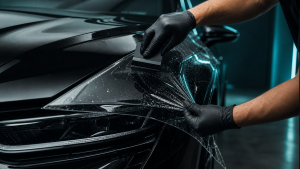
Process: washing, decontamination, (if necessary) correction, application, trimming, and curing guidance
Realistic timeline:Quatro Rodasestimatesthree to four daysof careful work on complete projects
A heavy hand with the razor blade when trimming can scratch the varnish. Skill matters just as much as the blade.
Post-Installation Care
Follow the curing period recommended by the store (many recommend avoiding washing for the first 24–48 hours, or as specified by the system used)
Choose a mild shampoo and wash gently; avoid harsh brushes with bristles
Products specifically designed for PPF help maintain hydrophobicity and appearance; the Detail Shop Brasil highlights a care line designed to maximize the film’s lifespan
Check the edges during the first few days, and return to the store if you notice any lifting.
With a good film and proper maintenance, the routine is simpler than with a fragile coating: many installers report that customers feel more at ease washing their cars on a daily basis, precisely because the physical barrier is there.
Conclusion
Applying PPF to a brand-new car is worth it when you apply it early, using the right materials and the right professionals.A brand-new car is the ideal scenario: the paint is intact, less preparation is needed, and there’s maximum potential to preserve the car’s originality and resale value. The film doesn’t replace careful driving or work miracles in the event of a serious collision, and the cost is high enough to require a transparent budget.
If your goal is simply an easy-to-clean shine, a high-quality coating may be sufficient in the short term. If your goal isto provide real protection for the factory paint, PPF (even just on the front) is the most logical technical solution.
Next step
New car owners:Ask for a quote that includes a parts list, the repair code, and a written warranty. Compare partial front repairs to full body repairs.
Auto Detailing / Installer:Adopt a consistent, honest approach to communicating value (TPU, warranty, risk areas) and work with a reliable supplier. Explore the Nevada line atbynevada.comand the professional product ecosystem fromDetail Shop Brasil.
Want to learn more about choosing a film? Be sure to also read our guides on what to consider before buying PPF and how to choose a PPF brand for use in beauty salons.