Choosing a PPF brand involves more than just the price per meter. The criteria that truly impact your business are: raw material quality, ease of application, a solid warranty, technical support, product origin, and profit margin. Nevada PPF, manufactured with pure BASF TPU from Germany and Ashland adhesive from the United States, meets all these criteria in a single brand developed specifically for the Brazilian market.
Introduction
You’re setting up or restructuring your automotive detailing studio, and the time has come to decide which PPF brand to use. It seems simple—but this decision directly affects the quality of your work, your customers’ satisfaction, and your business’s profit margin.
The Brazilian PPF market has grown significantly in recent years. Today, there are options ranging from well-established international brands to generic products imported from Asia and domestic brands with varying levels of quality. Making the wrong choice means rework, customer complaints, and damage to your reputation—which takes years to build and can be destroyed in a single project.
This guide was created to help you evaluate your options based on technical and practical criteria—not marketing.
What sets a good PPF apart from a bad one?
Most brands promise the same things: protection against scratches, a self-healing effect, transparency, and durability. What sets a truly good product apart from an average one lies in the details you only discover after installation—or worse, after the customer comes back with a complaint.
The key differences in practice:
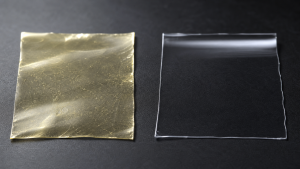
Premature yellowing:films made from second-grade raw materials turn yellow within months, especially when exposed to the Brazilian sun
Delamination at the edges:low-performance adhesive loses its adhesion when exposed to heat and humidity
Difficulty in application:Films that are too stiff or lack sufficient elasticity increase installation time and the risk of errors
A warranty that isn't enforceable:Many brands offer a warranty on paper, but lack the local infrastructure to honor it
Criterion 1: Raw Materials and Film Composition
High-quality PPF is made fromTPU (thermoplastic polyurethane)—not PVC or inferior materials. The source of the TPU matters: premium suppliers such asBASF(Germany) ensure consistent thickness, flexibility, and resistance to yellowing.
In addition to TPU, theadhesiveis a critical factor. Products with low-performance adhesives peel at the edges, form bubbles, and compromise the appearance—especially in hot and humid climates like Brazil’s. Reputable brands use adhesives from recognized suppliers, such asAshland(United States).
What to ask the distributor:
Who is the TPU supplier?
What is the actual thickness of the film in microns?
Who is the supplier of the sticker?
Criterion 2: Applicability and ease of installation
A technically sound PPF that is difficult to apply will increase your labor time, lead to more errors, and reduce your profit margin. The ideal film for a professional installer must:
Be elastic enough to conform to curves without tearing
Allow repositioning during installation
Easy-to-remove liner (protective paper)
Withstand the heat from the heat gun without warping
The adhesive should be applied evenly, without streaks or dry spots
Films that are too stiff or have uneven adhesive make installation in complex areas (such as pillars, door handles, and bumpers) a difficult task—and it shows in the final result.
Criterion 3: Security interest—not just on paper
A 5-, 7-, or 10-year warranty is worthless if there’s no infrastructure in place to honor it. Before committing to a brand, ask yourself:
Who guarantees it?The manufacturer, the distributor, or the local retailer?
What does it cover?Yellowing, peeling, bubbling, or failure of the self-healing effect?
How do you file a claim?Is there a clear process, or will you be left without an answer?
Does the importer have inventory in Brazilfor exchanges and replacements?
In the Brazilian market, brands without official local representation often leave installers to fend for themselves when customers complain. This creates a problem that is yours—not the distant manufacturer’s.
Criterion 4: Technical Support and Training
A brand that truly wants to see its installers grow invests in training. Consider this:
Does the brand offerofficial trainingfor installers?
Is technical support available to answer questions during installation?
Does the distributor haveprofessionals who really know the product—not just salespeople?
Is there any technical material available (handouts, videos, protocols)?
This criterion is especially important for those who are just starting out or want to improve their skills. A distributor who is also an experienced installer can provide a level of support that a purely commercial distributor can never offer.
Criterion 5: Reputation and market presence Brazilian
The Brazilian market suffers from counterfeit and parallel-imported products—that is a fact. Buying PPF from unofficial sources may mean purchasing a product that does not meet specifications, comes without a warranty, and is of unpredictable quality.
Before signing a contract with a brand, make sure to:
Is the distributor an official importer, or does it simply resell products without any formal ties to the manufacturer?
Arethe invoice and import documentationfor the product in order?
Is therea warranty recordlinked to the roll's serial number?
Does the brand havea strong reputation in the market—do other installers work with it and recommend it?
Working with genuine products isn't just a matter of ethics—it's a way to protect your business. If a customer questions the origin of the materials used on their car, you need to be able to back it up.
Criterion 6: Profitability for the installer
Price per meter is only part of the equation. The actual profitability of a PPF depends on:
Yield:A film with more precise cutting and less waste may end up being cheaper overall, even if the per-meter cost is higher
Installation time:films that are easier to apply reduce the number of hours worked per car
Rework rate:Inferior-quality materials result in more rework and replacements at your expense
Customer satisfaction:Satisfied customers recommend us and come back—that’s worth more than the initial savings on materials
An installer who skimps on materials and compromises the quality of the final result ends up paying more in the long run.
Why does the PPF Nevada meet all these criteria?
PPF Nevadawas developed by a company that puts PPF into practice—not by a generic distributor that simply added a film to its catalog. Every detail of the product has been scrutinized by those who install it, test it, and demand results.
Raw materials from certified sources
PPF Nevada is manufactured usingpure BASF TPU sourced from Germany—one of the world’s most rigorous suppliers—combined withAmerican Ashland adhesive, ensuring stable adhesion and true durability under Brazilian weather conditions.
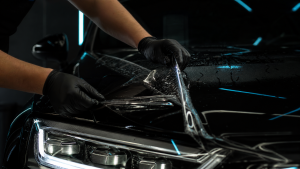
Designed with the installer in mind
The film was developed with the installer's experience in mind: adequate elasticity for complex curves, easy repositioning, a liner that peels off cleanly, and consistent heat response. Shorter installation time, less waste, higher profit margin.
Warranty with a local presence
The PPF Nevada warranty is backed by a local provider in Brazil, with local inventory and a clear claims process. It is not a warranty sent via email to a factory overseas.
Support from those who know the subject
Nevada Protection Films is run by professionals with years of experience in PPF installation. The technical support you receive doesn't come from a call center—it comes from installers who have already solved the same problems you'll encounter.
Genuine product, guaranteed origin
PPF Nevada is an officially imported product with all documentation in order and a warranty registration linked to the roll number. You offer your customers the peace of mind that comes with a traceable product.
Check out the complete product line atbynevada.comand contact us to learn about the terms for partner installers.

Conclusion
Choosing a PPF brand to work with is one of the most important decisions for your automotive detailing business. The brand you use is directly associated with your name—when a customer praises the results or complains about a problem, you’re the one who bears the brunt of it.
Use the criteria in this guide to evaluate any option on the market: raw materials, applicability, warranty, support, origin, and actual profitability. A brand that performs well on all these points is not just a supplier—it’s a business partner.
The PPF Nevada was built to be exactly that kind of partner.